





Maze Living
Account
Get 10% off when you sign up
Outdoor Solutions 7 min read

How to Protect Your Garden Furniture in Winter

How to Protect Your Garden Furniture in Winter

As winter approaches, it’s essential to think about how to protect your garden furniture from the harsh elements. Without proper care, cold weather, moisture, and frost can damage furniture, fading colours and even leading to warping or rust. With a few simple steps, you can ensure that your garden furniture stays in excellent condition year-round, ready to use come spring. Here’s a detailed guide to keeping your outdoor furniture safe and well-maintained through winter.

1) Clean Your Furniture Thoroughly

A deep cleaning before storing or covering your furniture is essential to prevent stains, mildew, and long-term damage over the winter months. Leftover dirt, organic matter, or food residues can create the perfect environment for mould and mildew, which thrive in damp, enclosed conditions. Start by dusting or vacuuming surfaces to remove loose debris, then wash thoroughly according to the furniture’s material.

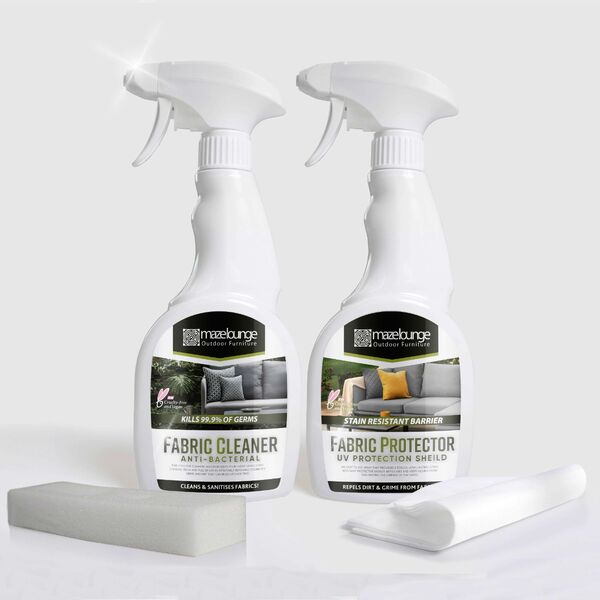
Wooden furniture can be cleaned using a soft brush and mild soap, but avoid using harsh chemicals or bleach, which can strip its natural oils and cause cracking. We recommend using specialised cleaning products for your furniture. Metal furniture like aluminium should be washed with soapy water and thoroughly dried to prevent rust. Rattan, whether natural or synthetic, benefits from gentle cleaning with a soft brush and a water-vinegar solution to remove mould. Plastic or resin furniture can typically handle a more abrasive approach; scrubbing with a sponge and soapy water removes grime. Dry everything well afterward, as even a little moisture left behind can lead to mildew growth in storage. 

2) Apply Protective Coatings

Applying a protective layer to your furniture can provide additional insulation against harsh winter elements. For wood furniture, a high-quality outdoor wood sealant or oil finish helps to repel water and prevents the wood from drying out and cracking in cold, dry air. Wood sealants not only offer moisture protection but also help maintain the wood’s rich colour by slowing UV degradation.

For metal furniture, a rust prevention spray or a clear topcoat of protective varnish will shield against rust, especially if your furniture is painted or has metal joints that can corrode. For plastic and resin furniture, a UV-protective spray helps prevent fading, cracking, or brittleness caused by cold temperatures and winter sunlight. By applying these protective coatings at the start of the winter season, you can significantly reduce damage and extend the life of your outdoor furniture, helping it withstand both wet and freezing conditions.

3) Invest in Quality Furniture Covers

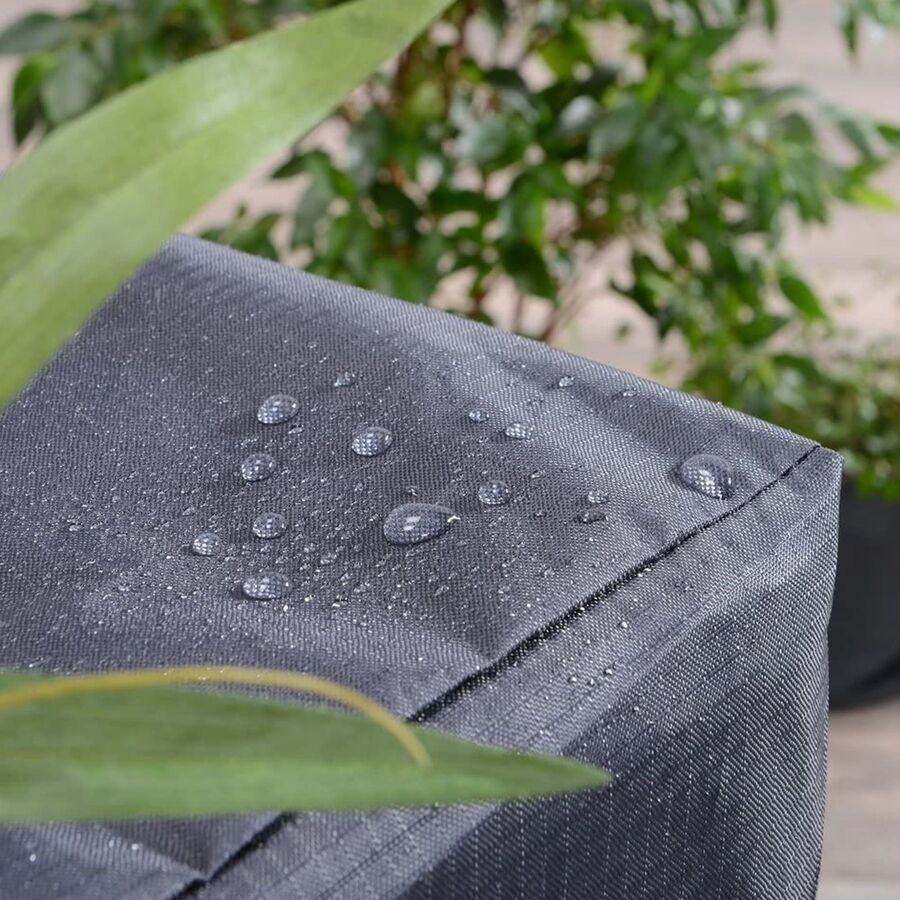
A well-fitting, high-quality cover can be one of the best investments you make for winterising outdoor furniture. Covers act as a physical barrier, protecting furniture from rain, snow, and frost while preventing dust and debris from accumulating. Choose covers specifically designed for outdoor use; look for water-resistant, UV-protected, and breathable materials that let moisture escape rather than build up underneath. 

Polyester and vinyl are popular options due to their durability and water resistance, but make sure the cover has vents or mesh panels to allow airflow, as this prevents condensation that can lead to mildew or rust. Measure your furniture to select covers that fit snugly without being overly tight. Loose covers may get blown off, while tight ones may trap moisture. Securing covers with straps or cords will prevent wind damage and keep them in place, ensuring your furniture stays clean and dry all winter long.

4) Consider Moving Furniture Indoors

While covers and coatings are helpful, storing furniture indoors provides the best protection from the harshest winter conditions. If you have the storage space in a garage, shed, or basement, moving your furniture indoors can protect it from temperature fluctuations, moisture, and heavy snowfall. Wood furniture, in particular, benefits from indoor storage, as exposure to dampness and cold air can lead to warping, splitting, or mould growth.

Fabric cushions and upholstery, even if covered, can attract mildew and pests if left outside. Storing these in a dry, well-ventilated area can prevent unwanted odours and mould growth. Consider investing into an outdoor storage box to store your outdoor accessories. Metal furniture can withstand winter weather to an extent, but moving it indoors will prevent rust and corrosion, especially if your area has high humidity or frequent frost. Indoor storage not only preserves the appearance and structure of your furniture but also saves you time on maintenance come spring.

5) Protect Cushions and Fabric Upholstery

Cushions, pillows, and other fabric furnishings are particularly vulnerable to winter weather, even when covered. If left outside, these fabrics can become damp and develop mildew, and they might even attract insects seeking shelter. Begin by cleaning each cushion according to the care label, using mild soap or upholstery cleaner for stains, and letting them dry fully in the sun or indoors. Storing these items indoors is ideal; if that’s not possible, use a breathable storage bag instead of plastic to prevent trapped moisture.

Consider using a dehumidifier if your storage area is prone to dampness, as this can help keep the fabric fresh and prevent mould. Proper care and storage will keep your cushions looking great, extending their life and making them ready to use as soon as warmer weather returns.

6) Check Furniture Regularly

Even with covers and indoor storage, a few quick check-ups during winter can prevent surprises in spring. Set a reminder to inspect your furniture every month or so, especially after heavy snow, rain, or extreme cold. Check for mould, mildew, or damp patches on the covers, as trapped moisture can damage your furniture and spread mould spores. 

Inspect the covers themselves, looking for any tears or wear, and repair them promptly to prevent water intrusion. If you notice rust on metal furniture, remove it with a wire brush or rust remover and apply a rust-preventive coating. This quick, periodic maintenance can catch and address minor issues before they turn into larger, more costly repairs, ensuring your furniture remains in good condition throughout winter.

7) Prepare for Heavy Snow and Ice

If your region sees heavy snowfall or frequent ice, taking extra precautions is crucial to keep your outdoor furniture safe. Heavy snow can accumulate on covers, which can lead to sagging or stress on joints and potentially cause damage. Regularly sweep off any snow buildup with a soft broom, being careful not to use hard tools that might scratch or tear the furniture or covers. 

Avoid using de-icing chemicals around furniture, as they can corrode metal and discolour plastic or wood. In cases of ice, refrain from chipping away at it directly on the furniture. Let the ice melt naturally or use warm water to avoid any physical damage to your furniture.

8) Plan for Next Spring

Once winter is over, it’s important to give your garden furniture a thorough inspection before bringing it back into full use. Remove any protective covers and examine for wear or tear, washing and drying them if necessary. Wipe down the furniture to remove any dust or cobwebs accumulated during storage.

If your furniture is made from wood, metal, or plastic, consider reapplying a protective coating to help withstand the upcoming outdoor season. Reapply UV-protection sprays, sealants, or rust inhibitors where necessary, especially if these treatments have worn off over the winter. This maintenance step will help your furniture stay beautiful and functional through the warmer months, extending its overall lifespan and making your outdoor space inviting and ready for use.

Looking for low-maintenance, all-weather outdoor furniture?

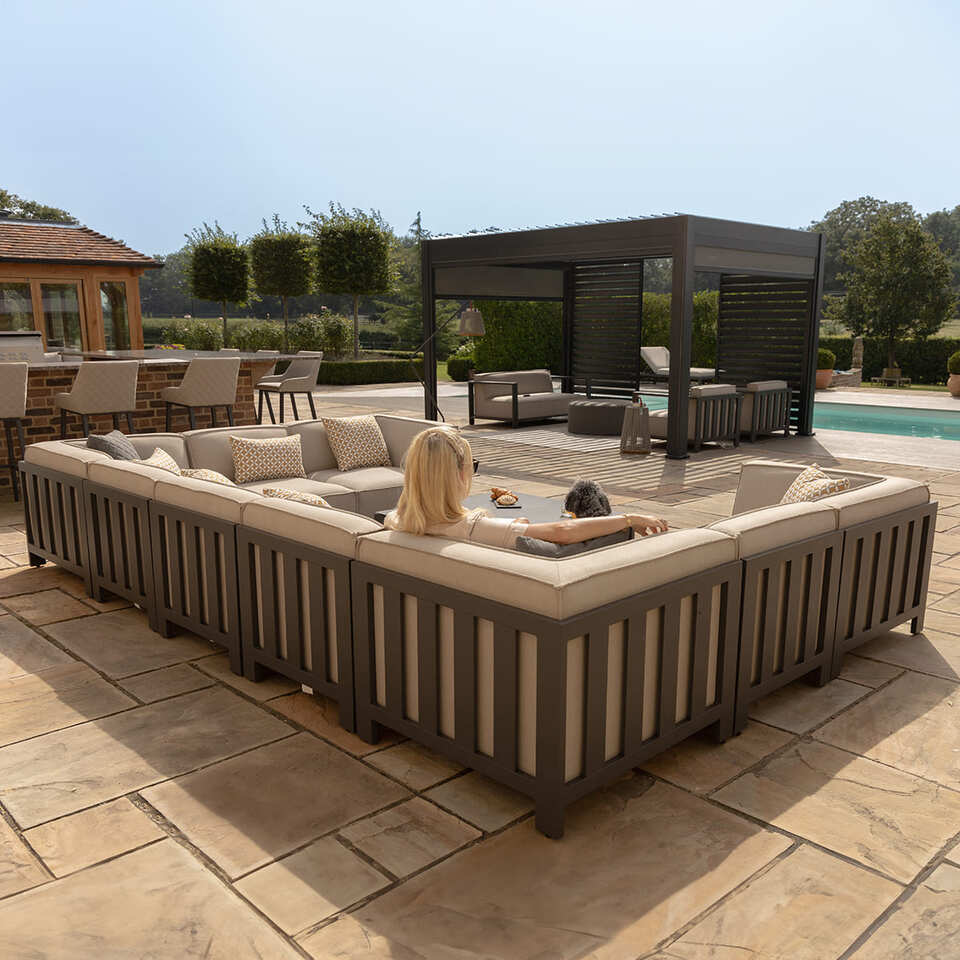
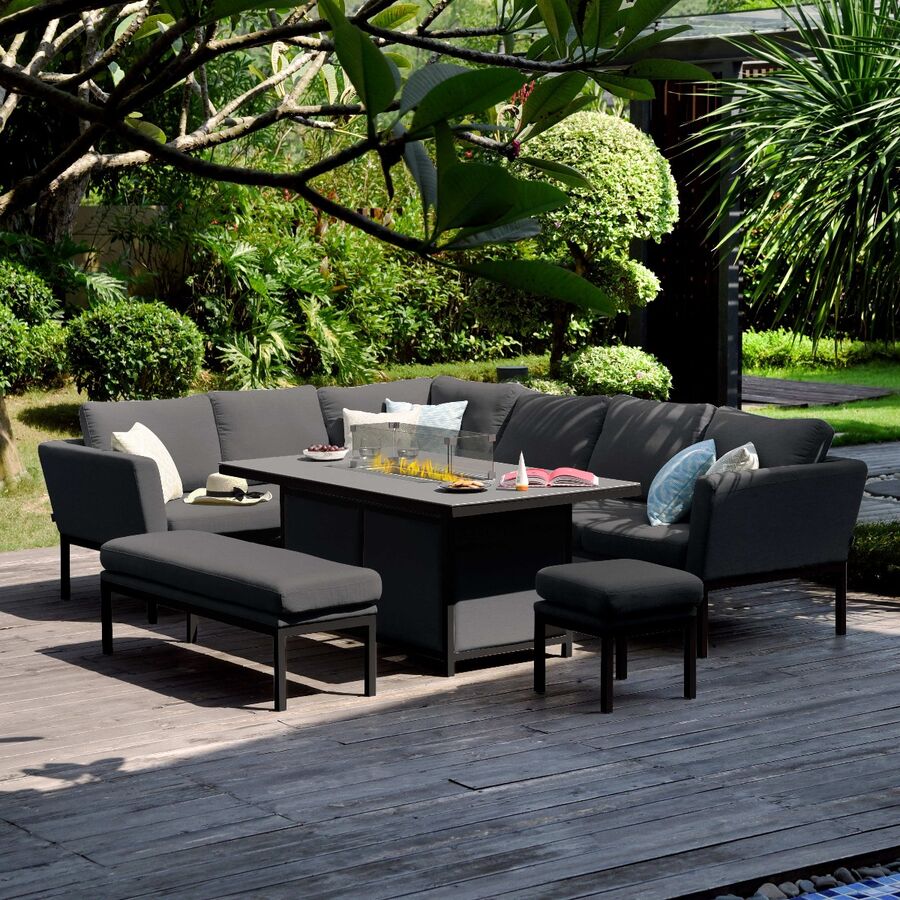
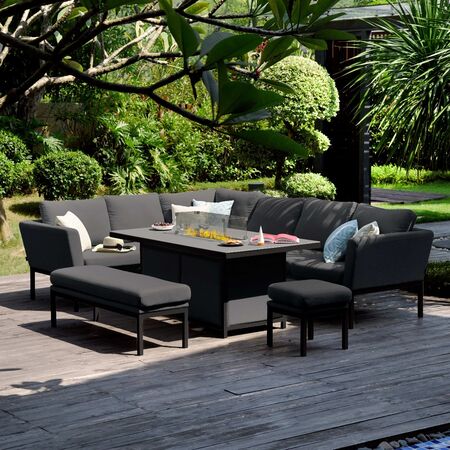
Discover our Maze outdoor fabric collection, crafted to elevate outdoor living with sleek, weatherproof designs. Each piece in this waterproof range can remain outside all year—no need to bring in cushions when it rains. Embrace effortless, worry-free comfort with furniture built for every season.

The Rundown

With a little preparation, your garden furniture can stay in excellent shape all year long. Taking the time to clean, cover, store, and regularly inspect your furniture will save you the expense of replacements, keeping your garden looking fresh and ready for entertaining when spring arrives.

Shop Garden Furniture

Related articles

View all articles